
Understanding the Cremation Process: A Compassionate Guide for Rotherham Families
When you lose a loved one, the next steps can feel overwhelming, particularly if you’re having to decide whether to arrange a cremation or a burial funeral, and at Bartholomew & Sons we believe openness and transparency helps to alleviate stress at this difficult time.
Families often want more than just cost information. They want to understand the different types of cremation funerals available, the cremation process and how this can impact on some of the options that are available to you, for example coffin materials and handles.
This guide explains the cremation process in the UK; including attended and unattended direct cremation; coffin options; what actually happens in the cremation chamber and the many ways cremation allows families to remember and celebrate a loved ones life.
At Bartholomew & Sons Funeral Directors, our role is to carefully guide you through every practical step and legal requirement and with compassion and clarity.
The Cremation Process: Step by Step
Understanding the cremation process families experience can help make a difficult time feel more manageable. The process typically unfolds in six main stages, each handled with care and professionalism by your funeral director and the team at the crematorium.
Table of Contents
1. Care and Preparation of the Deceased
Once your loved one comes into our care at our funeral home, they are treated with dignity and respect at all times. Preparation for the cremation may include washing and dressing, clothing them in personal items if requested, and placing the deceased into a suitable coffin. Families can choose to visit their loved one in our Chapel of Rest and can place certain personal items in the coffin with them.
Certain items must be removed from the coffin before cremation for environmental reasons and to protect the cremator from damage. These include:

- Medical implants such as pacemakers
- Any battery operated devices.
- Metals: Whilst small pieces of jewellery can often remain, large amounts of metal are restricted.
- Plastics and treated materials: PVC, vinyl, latex, and polyurethane coatings release harmful fumes and must be avoided, so some items of clothing are not allowed.
- Glass and Ceramics
- Aerosols
Items that are generally allowed in the coffin for a cremation:
- Clothing: Clothing made from natural fibres (cotton, wool) are fine; synthetic or treated fabrics should be removed.
- Personal Items: Small amounts of jewellery, books, photos, and flowers are often acceptable, but crematoriums have specific rules, so always check with the funeral director.
If you would like to dress your loved ones in their own clothes, or place items into the coffin, our team at Bartholomew & Sons can advise you.
2. Choosing a Coffin for Cremation
The coffin is a focal point of a funeral service, and is likely to be a significant decision that families make when arranging a funeral.
Coffins for cremation are designed to meet crematorium regulations while remaining respectful and appropriate.
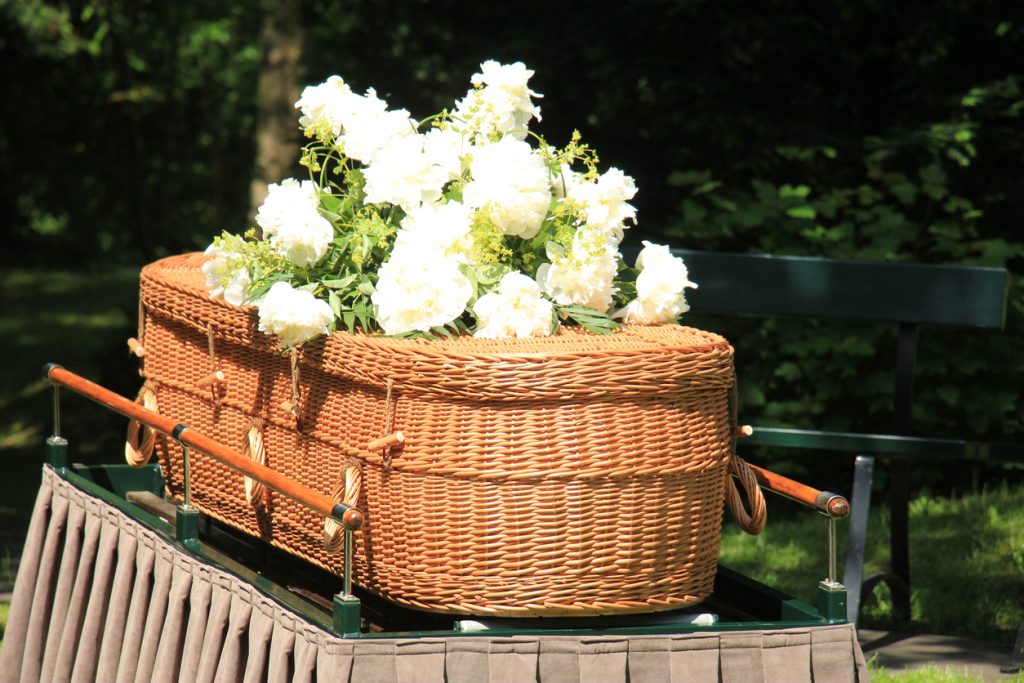
They need to be constructed from combustible materials, typically wood or wood-based products like chipboard or MDF. Metal handles, nameplates, or decorative elements must either be removed or be made from materials that won’t interfere with the cremation chamber.
Despite these practical requirements, coffins for cremation are available in a range of dignified styles. You might choose a simple, unvarnished wooden coffin, a traditional veneered coffin, or even eco-friendly options made from materials like bamboo, willow, or recycled cardboard.
At Bartholomew & Sons, we will help you select a coffin that meets all the requirements for the cremation procedure while reflecting your wishes and budget.
3. Legal Documentation
Before the cremation procedure can take place, all legal paperwork must be completed. This includes medical certification, cremation authorisation forms, and registration of death.
The team at Bartholomew & Sons will manage this on your behalf, ensuring there are no unnecessary delays and that every legal requirement is met properly.
4. The Service and Committal
During an attended cremation, a service is held for family and friends to say goodbye, this can be at the crematorium or at another location, such as a church beforehand.
The ‘committal’, is a significant moment at the crematorium, where the coffin is moved behind a curtain, marking the final farewell before the cremation itself begins.
If you would prefer the coffin to remain in sight while mourners leave the service, the team at Bartholomew & Sons can arrange this for you.
5. The Cremation
Families often ask about the cremation and what happens during the cremation process. The coffin is carefully placed into the cremation chamber, which is a specially designed, enclosed unit within the crematorium that operates at high temperatures and is monitored throughout by trained professionals.
It’s important to know that only one person is cremated at a time, and the coffin and its contents are cremated together. In the UK, strict identification procedures are followed throughout the cremation process, and the coffin is handled with care, respect, and professionalism at every stage.
If you would like to know more about the identification processes, please speak to us, and we will talk you through the procedures.
6. Ashes and Remembrance
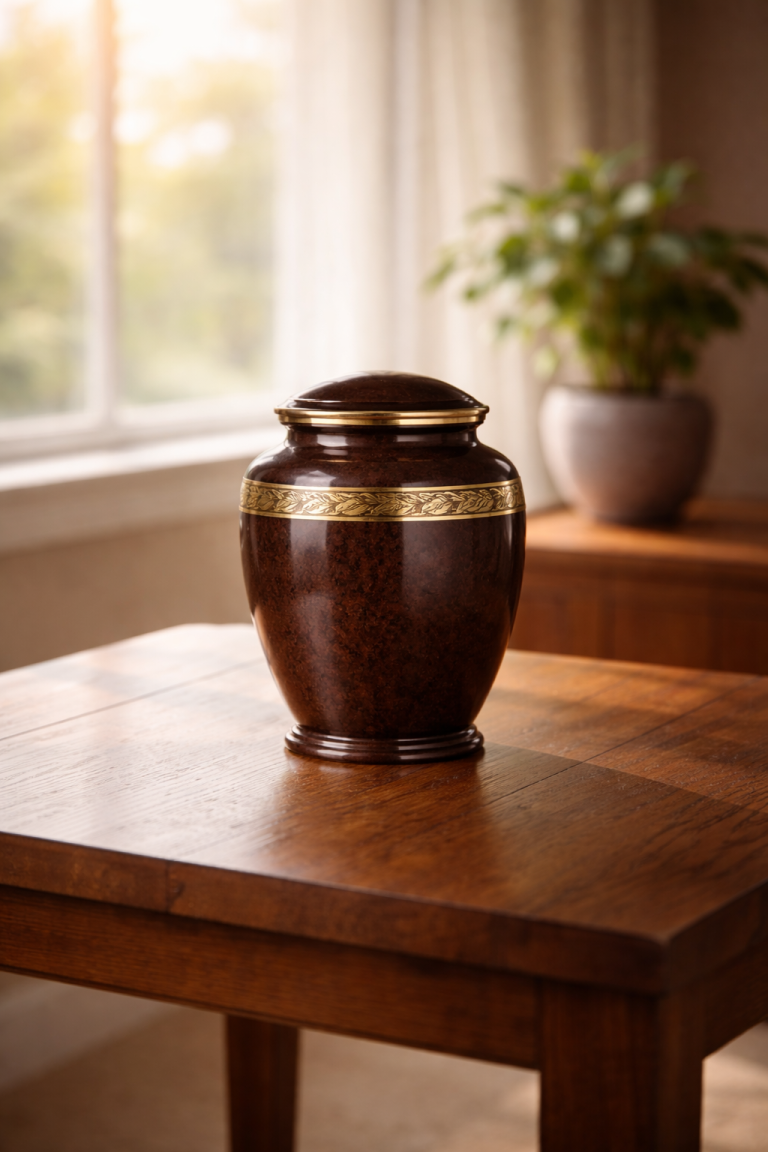
Following the cremation, the remaining fragments are carefully processed, and metals are respectfully removed and recycled. The ashes are then placed into an urn or container chosen by the family and are usually available for you within a few days.
The team at Bartholomew & Sons will collect the ashes from the crematorium on your behalf, and will keep them safe until you are ready to collect them.
Alternatively you can opt to have the ashes scattered on your behalf in the Garden of Remembrance at the Crematorium.
Families today have access to an incredible variety of ways to remember their loved one through their ashes. There’s no single correct choice, and many families choose to divide the ashes among family members or combine several remembrance options.
- Traditional urns and containers in materials ranging from wood and ceramic to biodegradable options for burial
- Jewellery and keepsakes that contain a small portion of ashes, allowing you to keep your loved one close
- Memorial items for the home such as glass sculptures, artwork, or decorative pieces that incorporate ashes
- Scattering ashes in a meaningful place like a favourite beach, garden, or mountain top
- Burial of ashes in a family plot, crematorium garden, or natural burial ground
- Unique memorial options such as sending ashes into space, incorporating them into reef structures, or having them made into vinyl records or fireworks
Choosing the Right Type of Cremation Farewell
Cremation offers flexibility, allowing you to decide how, and when, you wish to say goodbye.
There are two main types of cremation funerals available in the UK, attended cremation and unattended direct cremation.
1. Attended Cremation (With a Funeral Service)
An attended cremation includes a funeral service, which typically takes place at the crematorium, but could also take place at a church or other venue beforehand. The funeral service provides a familiar structure where family and friends gather before the cremation, and can be tailored with music, readings, and personal tributes allowing the service to truly reflect the individual being remembered.
For families who value shared remembrance and structure, an attended cremation provides a familiar and comforting format during the cremation procedure.
You might choose:
- Celebration of life services that emphasise joyful memories, personal stories, and the positive impact of the deceased
- Traditional or religious services that follow established and rituals, offering comfort through familiar structures
- Non-religious or humanist ceremonies that focus on the individual’s life, values, and achievements without religious content
- Formal or informal gatherings to suits your families needs, ranging from conventional funeral settings to more relaxed, personal atmospheres
If you would like to arrange an attended funeral, please take a look at our two packages that are most suitable: Our Bespoke Funeral and our Simple Funeral.
2. Unattended Cremation (Direct Cremation)
An unattended cremation, also known as direct cremation, is a cremation that takes place without a service or mourners present at the crematorium.
While there is no funeral service at the crematorium itself, this option offers families greater flexibility in how they choose to remember their loved one.
- No time pressure: With a direct cremation there’s no pressure to arrange a service within days of the death. Instead, the cremation takes place, then you can arrange a gathering at a time and date that suits you.
- Personal locations: Many families choose to hold a separate memorial after a direct cremation, that reflects the personality and wishes of the person they’re remembering. This might be at a local hotel or community hall, at home with close family, outdoors at a meaningful location such as a favourite park or beach, or even as part of a family picnic or gathering. Some families combine their memorial with the scattering or burial of ashes, creating a deeply personal farewell that honours their loved one in a unique way.
Direct Cremation has been made popular by large national providers advertising on TV. At Bartholomew’s we also offer direct cremations that are personal, local and caring, Read our comparison here: Pure Cremation vs Bartholomew Direct Cremation
Why Understanding the Cremation Process Matters
Understanding the cremation process and the choices available can make an incredibly difficult time feel more manageable. When you know what to expect you can make informed decisions that honour your loved one while meeting your family’s needs.
Whether you choose an attended cremation with a service or an unattended direct cremation, the cremation process itself remains the same, dignified, respectful, and carefully monitored.
This is where the support of a local funeral director like Bartholomew & Sons makes a real difference. Having someone who can explain the cremation process clearly, guide you through coffin choices for cremation, and help you understand all your options can ease the burden during an emotional time.
For many families, understanding the cremation process is only one part of arranging a funeral. If you’d like a clearer overview of what happens next, including the decisions you’ll need to make and when, our step-by-step funeral planning guide for Rotherham families explains the wider funeral planning process in a clear and supportive way.
FAQs
By definition, a Direct Cremation is unattended, meaning there is no funeral service or mourners present at the crematorium, as the deceased is taken directly for cremation.
This is a key difference! While most national direct cremation brands do not offer this option, we do for our local clients.
Why Choose Bartholomew & Sons for a Cremation?
Choosing Bartholomew & Sons means having a professional you can speak to face-to-face and is there to support you every step of the way. With us, the cremation will be handled with compassion, dignity and respect, never rushed or impersonal.
This level of personal service is not always provided by the national direct cremation providers who advertise on the TV.
Our local team is here for you, to explain every detail, ensuring you feel supported every step of the way. Contact us or call us on 01709 363 706.